Minimally invasive laser therapy for bladder tumors – TULA® DUAL
TULA® DUAL is an innovative minimally invasive laser solution for the treatment of non-muscle invasive bladder cancer (NMIBC). By combining dual wavelength technology (980 nm + 1470 nm), TULA® DUAL provides controlled ablation, excellent hemostasis and safe treatment under flexible cystoscopy — even in outpatient settings without general anesthesia.
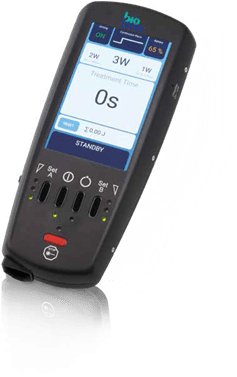


Description
Description
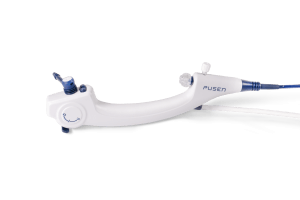
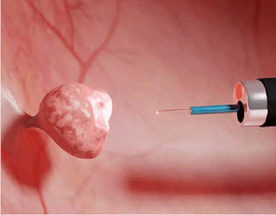
TULA® DUAL was developed for the treatment of non-muscle invasive bladder tumors (NMIBC) using flexible cystoscopy. The system combines the absorption properties of 980 nm and 1470 nm diode wavelengths to ensure controlled penetration depth and efficient coagulation.
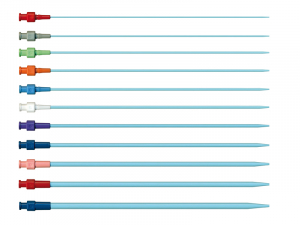
Thanks to specially designed TULA® fibers with an atraumatic tip and hexagonal fiber core, physicians can work with exceptional precision, optimal visibility and minimal thermal spread. The procedure can often be performed without general anesthesia, making it particularly suitable for elderly or fragile patients with multiple comorbidities.
TULA® DUAL offers a cost-effective alternative to conventional TURBT procedures and supports safer treatment with a reduced risk of obturator nerve reflex or perforation.
| Specification | Details |
|---|---|
| Technology | Dual diode laser |
| Wavelengths | 980 nm1470 nm |
| Power Output | 11 W (980 nm)5 W (1470 nm) |
| Fiber Diameter | ≥ 360 µm |
| Treatment Modes | CWPulse mode |
| Pulse Duration/Pause | 0.01 – 180 sec |
| Power Supply | 110 – 240 VAC |
| Battery | Li-ion |
| Weight | 900 g |
| Fibers | TULA® FiberTULA® Slim Fiber |
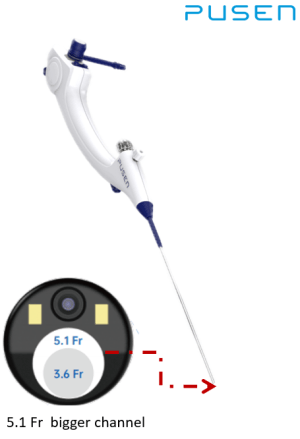
| Compatible with | Flexible cystoscopesReusable cystoscopesSingle-use cystoscopes |
| Applications | NMIBC treatmentOutpatient proceduresLocal anesthesia or no anesthesia |
Key features
Related products